A total of 1 455 residents participated in the Overstrand Municipality’s Tourism Resident Perception Survey, providing valuable feedback that will help shape the municipality’s new Tourism Strategy.
This was the final survey conducted by the Tourism Department as part of its stakeholder engagement process. The previous two surveys focused on tourism businesses and non-tourism businesses operating within the municipality.
The resident survey confirms support for tourism and its contribution to the local economy. Residents also shared detailed insights through open-ended comments, highlighting both the opportunities and challenges associated with tourism growth across the municipality.
Residents generally recognise tourism as one of the Overstrand’s most important economic drivers and appreciate the positive contribution it makes to local communities.
Residents generally believe tourism:
- Creates jobs and economic opportunities
- Supports local businesses
- Improves the vibrancy and atmosphere of towns
- Enhances Overstrand’s reputation nationally and internationally
- Contributes to local investment
At the same time, residents emphasised that future tourism growth should be carefully managed to protect the natural environment, maintain community character and ensure that the benefits of tourism are shared more widely.
Importantly, the open-ended comments provided valuable local perspectives that add context to the statistics and offer practical guidance for future planning. While the survey data provides an overall picture of resident sentiment, the comments help identify specific local challenges, opportunities and priorities within each area of the municipality.
The most common concerns identified across the municipality include:
- Protection of beaches and natural areas
- Loss of natural habitat through development
- Disturbance to marine wildlife
- Crowding during peak holiday periods
- Traffic congestion and parking
- Pressure on water, sewage and municipal infrastructure
- Litter and waste management
The message from our residents is clear: they value tourism, but they cherish our environment and community safety even more.
While these themes were common across the municipality, the survey also revealed distinct priorities and concerns within the Hermanus, Gansbaai, Kleinmond and Stanford towns, which are summarised below.
HERMANUS AREA
The Positives: Residents from Hermanus, Voëlklip, Onrus, Sandbaai, Westcliff and surrounding areas highlighted the positive role tourism plays in creating a vibrant atmosphere, supporting restaurants, accommodation establishments and tourism businesses, and enhancing Hermanus’ reputation as an internationally recognised destination. Many respondents acknowledged tourism as a major contributor to the local economy and employment.
The Negatives: Some residents raised concerns about increased traffic, parking pressures and the growth of short-term rental accommodation in residential neighbourhoods.
Residents’ Concerns: Respondents expressed concern that Hermanus should avoid the levels of overcrowding experienced in major international tourism destinations. Others highlighted the impact of short-term rental accommodation on residential neighbourhoods. Concerns were also raised regarding communication around major events, road closures and access restrictions, particularly where these affect local businesses and public facilities.
GANSBAAI AREA
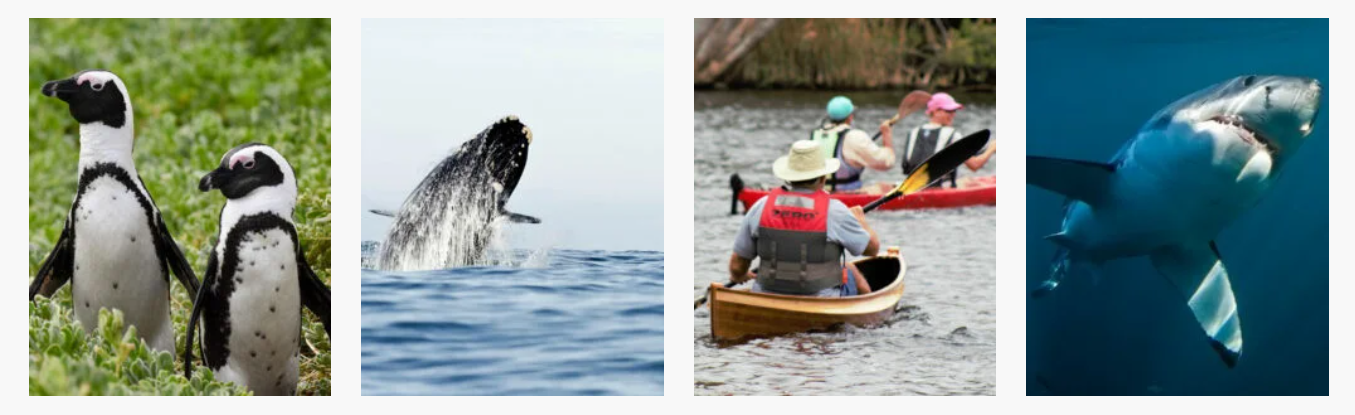
The Positives: Residents from Gansbaai, De Kelders, Kleinbaai and surrounding communities expressed support for tourism, particularly whale watching, marine eco-tourism, shark cage diving and other nature-based experiences. Respondents highlighted tourism’s importance in supporting entrepreneurs, tourism operators, local businesses and employment opportunities.
The Negatives: Some residents felt that public amenities and facility upgrades have historically been concentrated in Hermanus, while other tourism areas require additional support and investment. Concerns were raised regarding pressure on coastal infrastructure, roads and public facilities during busy holiday periods.
Residents’ Concerns: Environmental protection emerged as a major theme. Residents emphasised the importance of protecting marine ecosystems, coastal caves and other natural assets that attract visitors to the area. Some respondents specifically identified Stanford’s Cove as an important community asset that requires rehabilitation, maintenance and investment to improve the visitor experience. Residents also expressed support for tourism growth that protects environmental assets while ensuring that local communities benefit from tourism development.
KLEINMOND AREA
The Positives: Residents from Kleinmond, Betty’s Bay, Pringle Bay, Rooiels and surrounding areas value the area’s natural beauty, biodiversity, hiking networks and nature-based tourism offerings. Tourism is generally supported when it aligns with conservation principles and respects the Biosphere.
The Negatives: Residents identified litter and overcrowding at day-visitor picnic grounds during peak holiday periods. Some respondents also expressed concern about the condition and appearance of certain public areas and highlighted the need for improved maintenance and beautification.
Residents’ Concerns: Some respondents expressed a desire to see improvements to public spaces, landscaping and the overall appearance of parts of Kleinmond. Residents also highlighted concerns regarding pressure on sensitive environmental areas, particularly within the Kogelberg Biosphere region, as well as limited tourism-related employment opportunities for local youth.
STANFORD AREA
The Positives: Stanford residents expressed support for low-impact tourism that complements the town’s heritage, rural character and growing reputation for food, wine and nature-based experiences. Tourism is viewed as an important contributor to local businesses while helping preserve the town’s distinctive character.
The Negatives: Residents noted that infrastructure can come under pressure during busy weekends and holiday periods. Concerns were also raised about development that could compromise the village atmosphere and rural character that attract visitors to Stanford.
Residents’ Concerns: Respondents highlighted the importance of protecting natural areas, fynbos habitats and the overall character of the town. Some residents also raised concerns regarding noise impacts and ensuring that tourism benefits are shared more broadly throughout the community.